Trusted Roofing Contractor Serving New Albany, OH
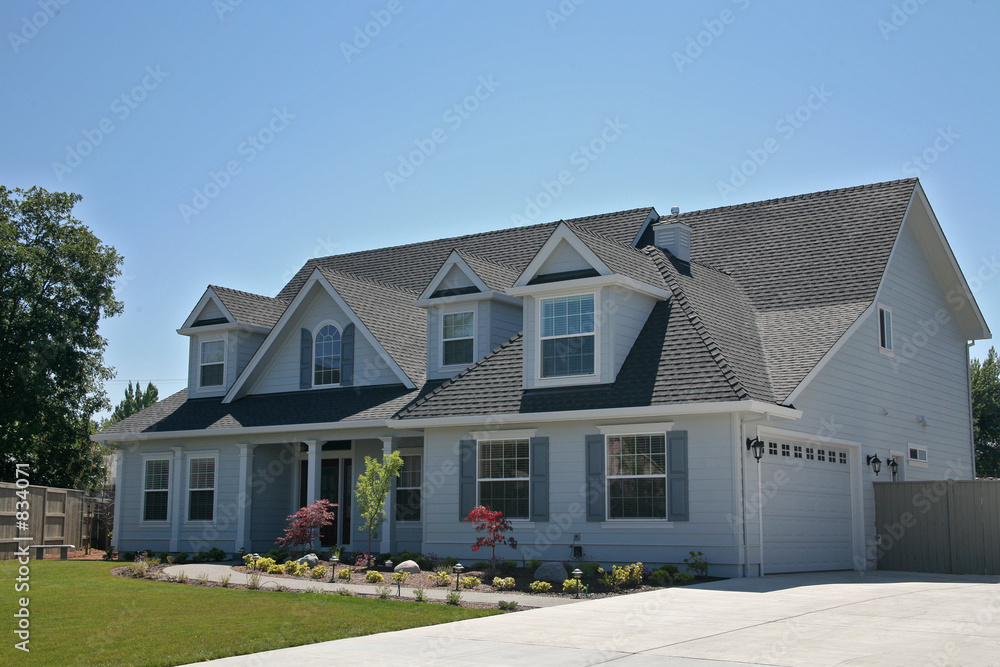
New Albany is unlike any other community in Central Ohio. Since Les Wexner’s master plan reshaped the city in the late 1980s and 1990s, virtually every home built or modified in New Albany has been required to conform to the community’s Georgian and Federal Revival architectural standards — red brick or stone exteriors, white trim, symmetrical façades, and roof materials selected from a carefully maintained approved list. The result is a community where roofing decisions are never just about your home; they’re about the broader architectural coherence New Albany is known for.
Upgrade Roofing has spent nearly two decades working in this environment. We understand the New Albany Architectural Review Board process, the approved roofing material list, the documentation and sample submissions the review requires, and the specific slate-look designer asphalt products that consistently pass review while delivering the durability New Albany homeowners expect. We’ve handled cedar shake replacements, slate-to-synthetic-slate conversions, designer asphalt installations on Country Club Community homes, and storm damage restoration projects where like-kind replacement must respect both the homeowner’s preferences and the community’s standards.
If you’re looking for a roofing contractor in New Albany who can navigate the architectural review process competently and deliver workmanship that matches the homes you’re working on, we’re ready to help.
Locally owned and operated
Serving New Albany from Our Dublin Headquarters
Upgrade Roofing is based about 14 miles southwest of New Albany in Dublin. Via I-270 and SR-161, we can typically reach New Albany addresses within 25–30 minutes — close enough for prompt inspections, project visits, and storm response
Address:
6605 Longshore St, Suite 240 #127
Dublin, OH 43017
Phone:
614-812-1000
Availability:
24/7 emergency response
For New Albany homes — where roofing projects often run into five and six figures and involve material decisions reviewed by the community — response time matters less than getting every part of the project right. We schedule New Albany work with appropriate lead time for ARB documentation, material sample submission, and the approval cycle each project requires.
Roofing Services in New Albany, OH
We provide complete residential roofing services tailored to New Albany’s Georgian Revival housing stock and architectural review environment.
Roofing Challenges Unique to New Albany, OH
New Albany roofs face a combination of factors that don’t show up the same way in any other Central Ohio community. Four threads define most of the work we do here.
The community-wide architectural mandate. Unlike Worthington (where review applies only to a designated historic district) or Powell (where review is subdivision-by-subdivision), New Albany’s Georgian and Federal Revival standards apply to virtually every home in the community. Roof material, color, profile, and detail work are all governed by the New Albany Architectural Review Board (and, for many properties, an additional layer of New Albany Country Club Communities Association review). Choosing a roofing contractor who doesn’t understand this process is one of the most common mistakes New Albany homeowners make.
The approved-material list. Not every shingle on the market passes ARB review. The community has developed a working list of approved manufacturers, products, and color variations — and that list shifts over time as new products are evaluated. Premium designer asphalt that approximates slate is the dominant choice, but specific products (CertainTeed Grand Manor, Belmont, Presidential Shake TL; GAF Camelot II, Glenwood) have a stronger approval track record than others.
The original-material transition wave. Many of the homes built in New Albany during the 1990s and 2000s were installed with cedar shake or slate-look materials that are now reaching replacement age. Those projects involve real material decisions — real slate, synthetic slate from DaVinci or Brava, real cedar shake, synthetic shake, or premium designer asphalt — and ARB-compliance considerations narrow the field significantly.
The documentation expectations. New Albany ARB reviews are paperwork-heavy by design. Material samples, manufacturer specifications, color renderings, and project documentation all need to be submitted in the formats the board expects. Rushing this step is the fastest way to delay a project by weeks. We handle the documentation as a standard part of every New Albany project rather than as an afterthought.
Roof Replacement in New Albany, OH
Most New Albany replacements we handle fall into a few categories.
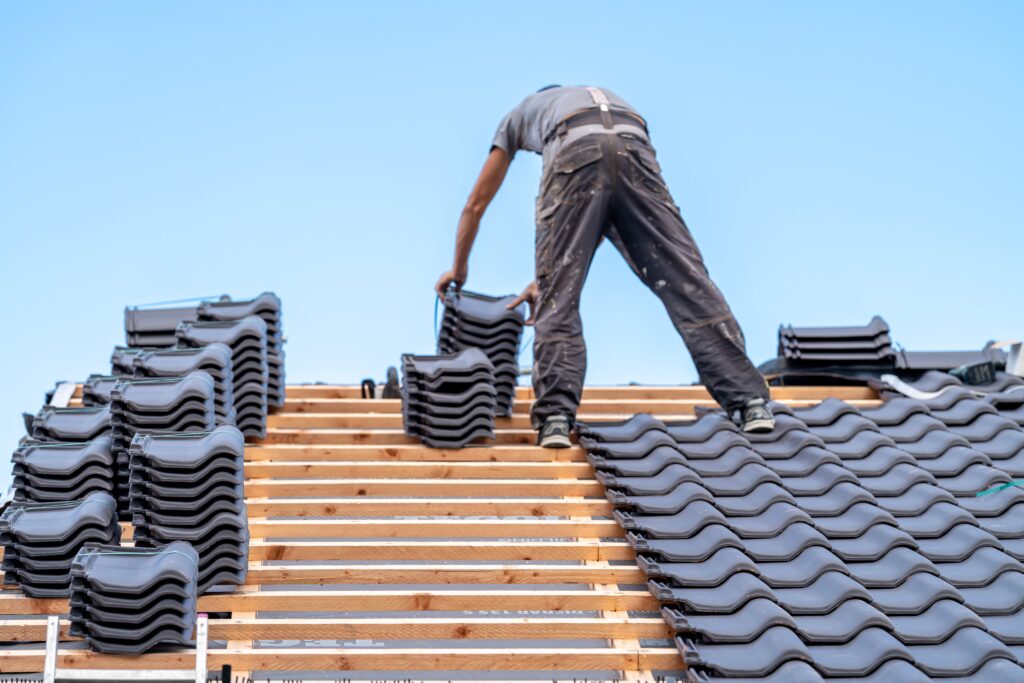
Premium designer asphalt installations. The most common New Albany roof project — replacing aging designer asphalt or transitioning from original cedar shake to ARB-approved designer asphalt that mimics slate. CertainTeed Grand Manor® and Belmont®, CertainTeed Presidential Shake TL®, and GAF Camelot® II and Glenwood® are the workhorses for this category. The choice between them depends on architectural details, color matching to existing trim and masonry, and current ARB-preferred profiles.
Cedar shake and synthetic shake projects. When original cedar shake reaches end of life, homeowners typically choose between real cedar shake again, synthetic shake from Brava or DaVinci (now widely accepted in New Albany ARB review), or transitioning to slate-look designer asphalt. We walk through cost, lifespan, ARB approval likelihood, and architectural fit before recommendations.
Slate and synthetic slate. Real slate replacement projects are less common but do happen on some New Albany homes — particularly larger custom builds where slate was original. More frequently, we install DaVinci or Brava synthetic slate, which is well-established in New Albany ARB review and delivers a strong appearance at meaningfully lower cost than real slate.
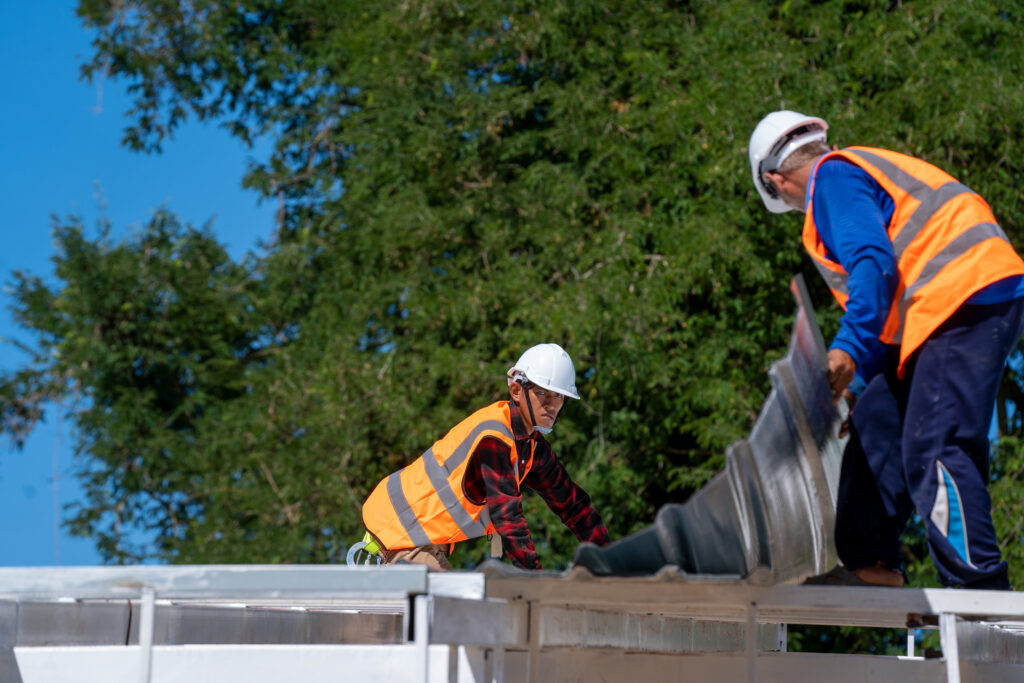
Standing-seam metal accents. Standing-seam copper or painted metal is sometimes used on accent applications — bay windows, porches, dormers, and tower roofs — even on primary asphalt or slate homes. ARB approval is required, but these elements are increasingly accepted on appropriate architectural features.
Roof Repair in New Albany, OH
New Albany repair work has its own patterns. Designer asphalt repairs require exact product matching, which can be challenging because manufacturers periodically discontinue colors and profiles — we maintain knowledge of current matches and substitutes. Cedar shake repairs require either replacement-grade shake or careful integration of synthetic shake where homeowners are transitioning. Flashing failures around the prominent chimneys typical of Georgian Revival architecture are a recurring repair category.
For any visible repair work in New Albany, ARB review may apply even when no full replacement is happening — particularly if the repair involves material substitution or visible color matching. We assess this upfront so repairs don’t trigger unexpected approval delays.
Storm Damage Roofing in New Albany, OH
New Albany sits in the same Central Ohio storm corridor that affects the rest of the region. The community has been hit by significant hail events in recent years, and storm damage assessment on New Albany homes requires extra care because of the values involved and the documentation insurance adjusters need for premium material claims.
Our storm damage process includes:
- On-site inspection within 24–48 hours of major events
- Material-specific damage documentation (slate cracking, designer asphalt granule loss, cedar shake splitting, and synthetic material impact damage all present differently)
- Photo and measurement documentation organized for higher-value insurance claims
- Emergency tarping for compromised sections
- Coordination with your insurance company through the claim
- Final scope based on the approved claim, with ARB-compliant material recommendations
For New Albany claims involving cedar shake, slate, or designer asphalt at or near end-of-life when storm damage occurs, the claim conversation often includes whether like-kind replacement supports a material upgrade or transition. We’ve handled these claims and know how to present the case.

Roof Inspections in New Albany, OH
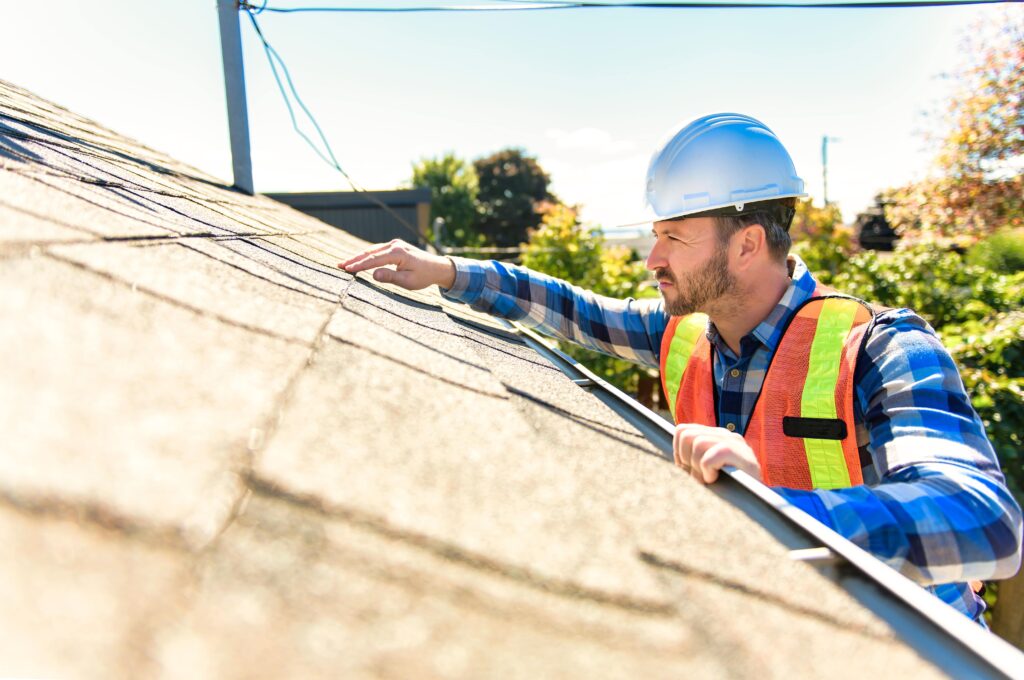
Free New Albany inspections most often serve three purposes: post-storm damage assessment on high-value homes, pre-purchase due diligence (we work with several New Albany–area realtors), and proactive evaluation on roofs in the 15–25 year range — particularly on the cedar shake and original designer asphalt installations from the community’s 1990s and 2000s growth.
New Albany inspections take longer than average because of roof complexity and material variety. We document each gable, valley, dormer, and chimney flashing separately, and we evaluate the roof in the context of likely ARB requirements if replacement is on the horizon.
Certified Roofing Materials & Shingle Options
Upgrade Roofing is a:
- GAF Master Elite® Contractor
- CertainTeed ShingleMaster™ Contractor
For New Albany homes, material selection is the most consequential part of the project — both because of the ARB approval process and because of the long-term investment scale. Common recommendations by category:
ARB-favored designer asphalt (the most common New Albany choice):
- CertainTeed Grand Manor® — heavy-cast multi-layer shingle, slate-look from the curb
- CertainTeed Belmont® — slate-appearance with strong wind resistance
- CertainTeed Presidential Shake TL® — engineered to approximate cedar shake
- GAF Glenwood® and GAF Camelot® II — designer shingles with deep shadow lines
Synthetic slate and shake (for homeowners transitioning from original slate or cedar shake):
- DaVinci Roofscapes — composite slate and shake, strong color stability, widely accepted in New Albany ARB review
- Brava Roof Tile — cast composite slate and shake, 50-year material warranty
Real slate and cedar shake — available but less commonly chosen given the strong synthetic alternatives and ARB acceptance of those products.
Standing-seam metal — for approved accent applications on appropriate architectural features.
We don’t recommend standard architectural asphalt for visible New Albany roofs. The market expectation, the architectural mandate, and the home values all argue for designer-tier products. If you’re considering a less expensive option, we’ll walk through what that looks like — including whether it’s likely to pass ARB review.

Why Choose Upgrade Roofing in New Albany, OH
New Albany homeowners typically have specific expectations: a contractor who understands the ARB process, can recommend the right approved materials confidently, delivers installation quality that matches the homes, and handles communication and project execution at the standard the community is known for.
What sets us apart:
- 19 years of experience with premium-material installations, including extensive New Albany–style designer asphalt, synthetic slate, and synthetic shake work
- Working knowledge of the New Albany Architectural Review Board process — documentation, sample submission, color matching, and approval timelines
- Familiarity with the approved-material list and the products that have the strongest ARB track records
- Synthetic slate and shake installer experience (DaVinci, Brava) — both products require specific installation expertise
- Manufacturer certifications (GAF Master Elite®, CertainTeed ShingleMaster™) that unlock the strongest warranties on the designer-tier products New Albany homes require
- Documentation rigor on insurance claims involving premium materials — directly affecting approved scope
- 5.0-star reputation including referrals from New Albany neighbors and realtors handling Country Club Community sales
- Project execution standards appropriate to the homes — staging, cleanup, neighbor coordination, and crew conduct
We don’t pitch shortcuts on New Albany homes. The community’s standards and the homes’ values don’t allow for them.
Roofing Experience in New Albany, OH
Our New Albany portfolio includes designer asphalt replacements throughout the Country Club Community, cedar shake conversions to synthetic shake in Hampsted Village and The Reserve, ARB-coordinated material transitions in Tournament Hills and Wexford, storm damage restoration on Georgian Revival homes near Wexner Park, and slate work on the homes where original slate remains intact.
The patterns we see in New Albany — ARB documentation requirements, approved-material navigation, designer-tier product selection, cedar shake replacement decisions, and high-value insurance claims — are the things less-experienced contractors get wrong. We’ve spent the last 19 years building expertise specifically around them.
A free inspection is the most efficient way to understand your roof’s condition and the realistic options that respect both your home’s architecture and the community’s standards.
What to Expect When Working With Us
Free Roof Inspection
We walk the roof in detail — every gable, valley, dormer, chimney, and flashing transition. For designer asphalt and synthetic slate roofs, we evaluate against current ARB-approved alternatives so you know what your replacement options look like before any project conversation begins.
Honest Recommendations
On New Albany homes, recommendations typically center on material selection within the ARB-approved range. We lay out the realistic paths — designer asphalt, synthetic slate, synthetic shake, real slate, real cedar — with honest cost, appearance, lifespan, and approval-likelihood comparisons.
Professional Installation
Designer asphalt, synthetic slate, synthetic shake, and metal accent work each require specific installation expertise, and we crew projects accordingly. ARB documentation is handled before installation begins — material samples submitted, color confirmations received, and timelines confirmed so the project proceeds on schedule. Cleanup standards reflect the homes we’re working on.
Insurance Claim Support
New Albany claims involving designer materials, synthetic slate, cedar shake, and real slate require more detailed documentation than standard asphalt claims. We provide adjuster-ready photos, measurements, and damage descriptions, meet adjusters on-site when scheduling allows, and know how to present like-kind replacement arguments when material substitutions are warranted.
Google Reviews from Our Customers
Upgrade Roofing maintains a 5.0-star rating from 100+ Central Ohio homeowners, including a meaningful base of New Albany customers — many of whom found us through realtor referrals or after a neighbor recommended us during their own ARB-reviewed project.


New Albany customers most often highlight three things in their reviews: knowledge of the ARB process and approved materials, careful workmanship on premium installations, and respectful, organized project execution that matches the community’s standards.
Flexible Roof Financing Options
New Albany roof projects regularly run into five- and six-figure territory because of designer materials, synthetic slate or shake, complex Georgian Revival architectural detail, and home size. Financing makes premium projects practical without forcing material compromises that don’t fit your home or the community’s standards.
We partner with:
- Regions (formerly EnerBank USA)
- GreenSky
Common scenarios in New Albany:
- Cedar shake to synthetic shake conversions in the $50,000–$150,000 range
- Designer asphalt replacements on larger Country Club Community homes
- Slate-to-synthetic-slate conversions where the original real slate is past restoration
- Pre-sale roof projects on higher-value New Albany homes where the listing benefits from fresh, ARB-current roofing
A free instant estimate tool is available so you have a project range before financing conversations begin.

BBB Accredited Roofing Contractor
We’ve maintained BBB accreditation for years. For New Albany homeowners considering five- and six-figure projects, BBB standing is one verification point among several worth checking — alongside manufacturer certifications, specific synthetic-slate or synthetic-shake installer credentials, local references, and proof of insurance coverage appropriate to project values.
How Much Does a Roof Replacement Cost in New Albany, OH?
New Albany roof replacement costs reflect both the housing stock and the material expectations. Almost no New Albany roof project uses standard architectural asphalt.
Typical ranges by material and home size:
- Standard New Albany homes with designer asphalt (Grand Manor, Belmont, Camelot II): $25,000 – $50,000
- Larger New Albany homes with designer asphalt: $40,000 – $80,000
- Synthetic shake (Brava, DaVinci) on standard homes: $35,000 – $75,000
- Synthetic slate (DaVinci, Brava) on standard to larger homes: $50,000 – $130,000
- Real cedar shake replacement: $50,000 – $120,000
- Real slate replacement on larger Georgian Revival homes: $90,000 – $250,000+
Cost drivers in New Albany include material category (the dominant factor), roof complexity (Georgian Revival rooflines have multiple gables, dormers, and chimneys), ARB documentation and material sample submissions, and home size. Storm damage claims can offset substantial portions of cost in qualifying cases.
We provide detailed estimates after a free inspection, including material comparisons that show cost-per-year over expected lifespan — particularly useful when weighing real slate against synthetic slate or designer asphalt against synthetic shake.

Frequently Asked Questions
How does the New Albany Architectural Review Board process work for roofing projects?
For most roofing projects in New Albany, the ARB reviews material samples, manufacturer specifications, color choices, and visible details before installation can begin. We handle the documentation as part of the project — submitting samples, providing manufacturer cut sheets, and coordinating timing so the approval cycle doesn’t delay your project unexpectedly. Approval timelines vary based on the project and the review calendar, and we plan accordingly.
What roofing materials are approved for use in New Albany?
The approved-material list evolves over time, but the consistently strong-track-record choices include premium designer asphalt (CertainTeed Grand Manor®, Belmont®, Presidential Shake TL®; GAF Camelot® II, Glenwood®), synthetic slate (DaVinci, Brava), synthetic shake (DaVinci, Brava), real cedar shake, and real slate. Standing-seam metal is accepted for appropriate accent applications. Standard architectural asphalt is rarely approved for primary visible roof surfaces.
We have original cedar shake on our New Albany home. What are our replacement options that pass ARB review?
You have four practical paths: (1) real cedar shake again — beautiful but with another 20–30 year lifespan and meaningful maintenance; (2) synthetic shake from DaVinci or Brava — 40–50 year lifespan, more consistent appearance, low maintenance, well-established in New Albany ARB review; (3) a transition to slate-look designer asphalt like CertainTeed Presidential Shake TL®; or (4) a transition to synthetic slate. We walk through cost, appearance, approval likelihood, and lifespan trade-offs in detail.
Does our HOA or community association have a role in roof approval beyond the ARB?
Often, yes. Many New Albany properties fall under both the New Albany Architectural Review Board and an additional layer of New Albany Country Club Communities Association review or subdivision-specific covenants. We confirm the full approval path for your specific property before submitting materials so nothing falls through the cracks.
Roofing Services in Nearby Areas
In addition to New Albany, we work throughout the Central Ohio communities with comparable premium-housing stock:
- Gahanna, OH — Established suburb directly south of New Albany
- Westerville, OH — Sister suburb to the west
- Pickerington, OH — Growing southeast suburb
- Pataskala, OH — East along SR-310
- Dublin, OH — Our home base
- Powell, OH — Comparable upscale custom-home market north of Dublin
Schedule Your Free Roof Inspection in New Albany, OH
Whether you’re weighing replacement options on original cedar shake, planning ahead on designer asphalt approaching the 20-year mark, or dealing with recent storm damage on a Georgian Revival home, we’ll inspect your New Albany home for free and give you a complete, honest assessment — including realistic notes on ARB approval considerations.
New Albany’s combination of community-wide architectural standards, premium material expectations, and Georgian Revival roofline complexity rewards contractor selection more than almost any market in Central Ohio. Our 19 years of work here means we understand what the community, the homes, and the homeowners require.
Phone: 614-812-1000